.png)
Hardware wallets are designed to keep private keys offline, reducing exposure to certain online threats. But keeping keys offline doesn't eliminate custody risk. It changes where that risk lives, and who is responsible for managing it.
A recently disclosed vulnerability affecting Coldcard hardware wallets has brought that distinction into focus.
Beginning July 30, 2026, attackers drained Bitcoin from wallets whose seeds were generated on affected Coldcard firmware. TRM Labs, citing Galaxy Research's tracking, reported on August 5 that roughly 1,816 BTC, worth approximately US$116 million at the time of its analysis, had been taken from more than 5,200 addresses. Galaxy Research separately tracked losses near US$130 million as of August 4. Because tracing remains ongoing and the value of Bitcoin changes, estimates have varied.
The incident is significant not just because of the amount involved, but because of where the vulnerability occurred: during seed generation.

When many crypto wallets, including Coldcard, are created, they can generate a seed phrase that can ultimately be used to derive the private keys controlling the assets in that wallet. The security of that process depends heavily on randomness, or "entropy," making the resulting seed extremely difficult for someone else to reproduce.
On July 30, Coldcard manufacturer Coinkite disclosed that a firmware issue had reduced that randomness for seeds generated on certain devices and firmware versions. The issue originated in software changes introduced in March 2021.
Under Coinkite’s current attack assumptions, affected Mk2 and Mk3 devices could generate seeds with roughly 40 bits of effective entropy rather than the intended 128 bits. Mk4, Mk5 and Q devices contained additional entropy, but Coinkite estimates an effective search space of approximately 72 bits.
That reduction matters.
Researchers tracking the thefts say attackers could generate possible seeds offline, derive their corresponding Bitcoin addresses and compare them against addresses visible on the public blockchain. Physical access to the hardware wallet itself was not required.
In other words, keeping the wallet offline did not eliminate the risk, because the vulnerability was introduced when the seed was generated.
Coinkite has since released fixed firmware for affected models. However, installing an update does not repair a seed that was previously generated using affected firmware. Its advisory instructs affected users to create a new seed after updating and migrate their funds, subject to specific exceptions for users who added sufficient independent dice-generated entropy when creating their original seed.
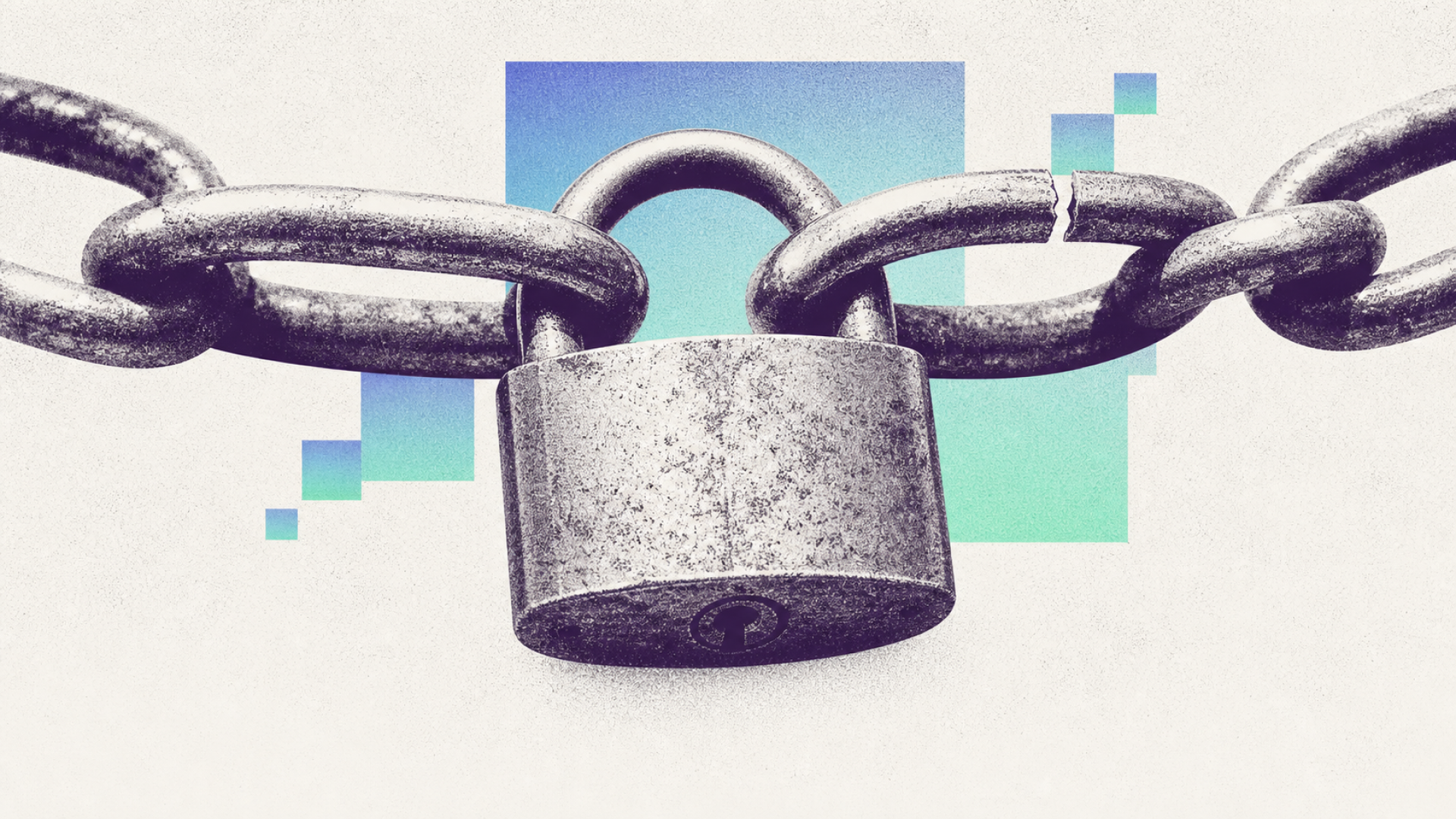
Short answer: Yes, but security requires careful management.
The Coldcard incident doesn't negate the benefits of hardware wallets or self-custody. Hardware wallets can reduce several important risks by allowing users to keep their private keys offline and retain direct control over their crypto.
But self-custody doesn't eliminate custody risk. It transfers responsibility for managing it.
Someone using a hardware wallet may be responsible for choosing the device, verifying its software, generating and protecting a seed phrase, securing backups, managing passphrases, installing appropriate updates and ensuring that recovery information remains both accessible and protected.
Usually, that level of control is one of the main reasons someone chooses self-custody in the first place.
It also means that failures involving a device, its software, key generation, backups or the user's own security practices can have consequences that may be difficult or impossible to reverse.
The Coldcard incident is an unusual example, but it highlights a broader point: the method used to hold crypto changes the risks involved; it doesn't make risk disappear.
The distinction is easier to understand when you look at who controls the private keys.
With self-custody, the individual controls the keys. There is no custodial platform standing between the holder and the blockchain, but the individual assumes responsibility for protecting those keys and maintaining the infrastructure needed to access them.
With a custodial platform, the platform or its custody providers hold crypto assets on the client's behalf. The client does not personally manage the underlying private keys.
That shifts some of the responsibilities associated with managing private keys away from the individual, but introduces a different set of risks, including risks related to the platform, its custodians, its technology and its operational controls.
Neither model is risk-free. They represent different approaches to where custody responsibility sits.
We use a custodial model to hold crypto on behalf of our clients. Newton Crypto Ltd. is a dealer member of the Canadian Investment Regulatory Organization (CIRO), and our current Risk Disclosure sets out how we hold client crypto assets.
As a regulated dealer, we follow asset segregation requirements: we hold client crypto assets separately from our own operational assets and from the assets of our custody providers.
How we hold assets:
Custody also carries risk. Our Risk Disclosure identifies the potential for loss if a custodian becomes bankrupt or insolvent, if its technology systems break down, or through fraud, misconduct, negligence or error by a custodian or its personnel. CIPF protection is designed to help return eligible client property that is missing in the event of a member firm’s insolvency; crypto assets are not eligible for that protection and are not protected by CDIC.
There isn't one custody model that is appropriate for everyone.
For some crypto holders, directly controlling private keys and accepting the responsibilities that come with self-custody may be important. Others may prefer a custodial platform where key management and custody infrastructure are handled on their behalf.
Understanding that distinction is more useful than treating the choice as a simple question of which method offers more protection.
The Coldcard incident is a reminder that custody has multiple layers. A private key can be kept offline, but the process used to create it still matters. A custodial platform can remove the need for an individual to manage that key directly, but doing so introduces reliance on the platform, its custodians and their systems.
The real question isn't whether custody carries risk. It's which risks and responsibilities you choose to take on yourself, and which you choose to place with a custodian.
To learn more about how Newton holds client crypto assets and the risks associated with that model, review Newton's Risk Disclosure.



.png)